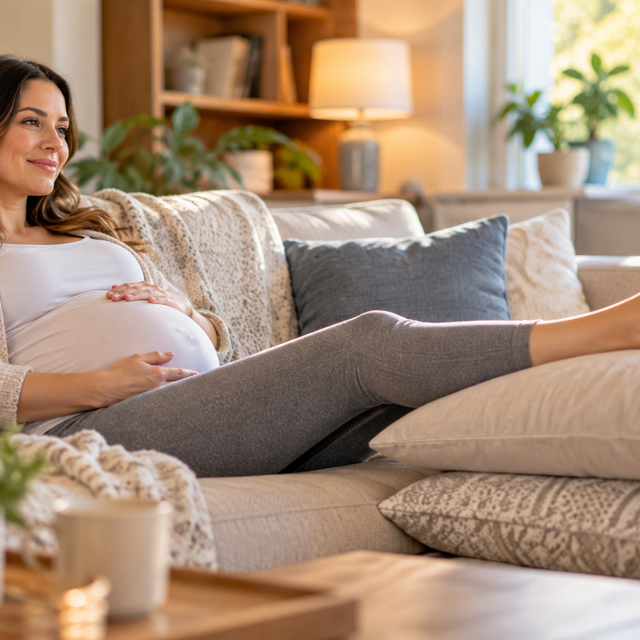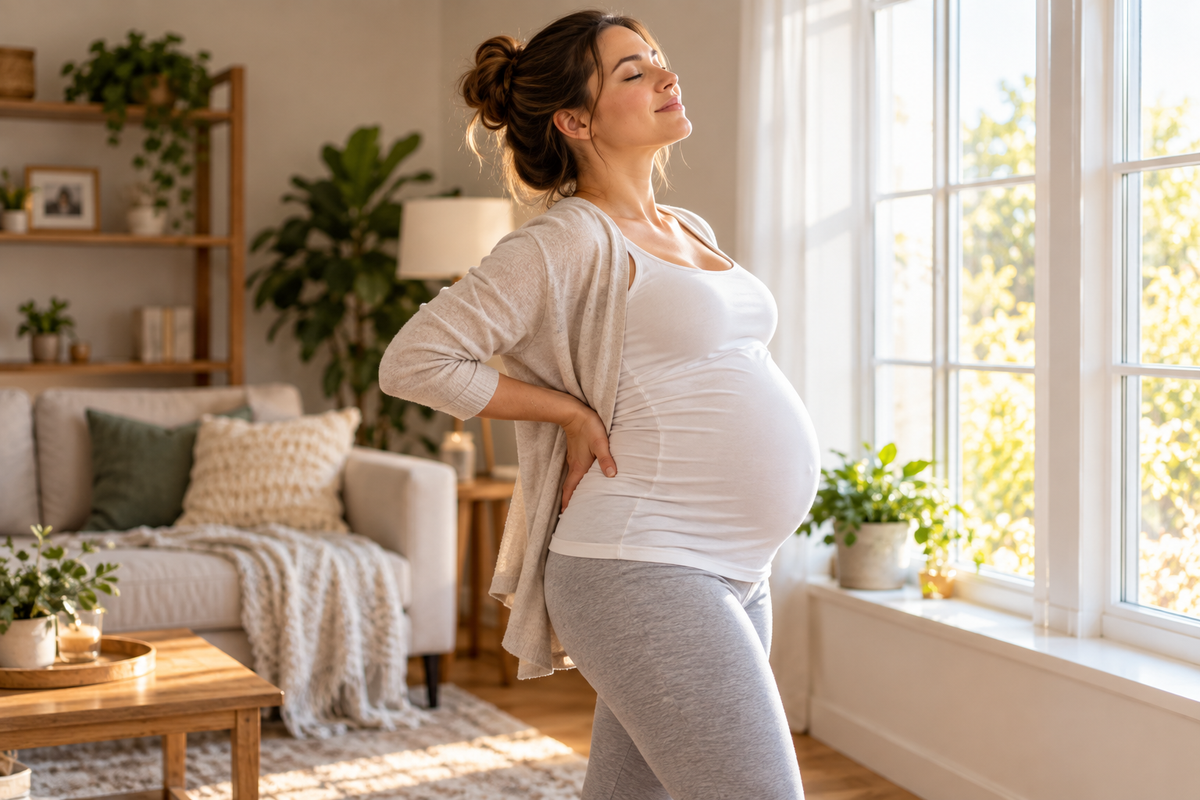
Aching, tired, or sore — pregnancy back pain is one of the most common complaints expecting moms bring up to their doctor or midwife, especially in the second and third trimester. The good news is that you don't have to just live with it. With a few posture tweaks, the right stretches, and some smart support gear, most pregnant women can feel noticeably better within a couple of weeks.
Why Pregnancy Causes Back Pain
Back pain during pregnancy usually shows up gradually and gets more noticeable as your body changes. A few things are happening at once:
- Your center of gravity shifts. As your belly grows, your body naturally leans back to compensate, which puts extra strain on the muscles of your lower back.
- Hormones loosen your joints. The hormone relaxin helps prepare your pelvis for labor, but it also loosens the ligaments that support your spine, making it easier to strain your back.
- Your abdominal muscles stretch. As your uterus grows, your core muscles stretch and weaken, so your back has to work harder to support your posture.
- Extra weight adds pressure. The added weight of pregnancy, especially in the belly, increases the load on your spine and hips throughout the day.
Back pain is more common in the second and third trimester, but some women notice mild aching earlier on. Either way, there's a lot you can do to find relief.
Safe Stretches and Exercises for Pregnancy Back Pain Relief
Gentle movement is one of the best tools for easing pregnancy back pain, as long as your doctor or midwife has cleared you for exercise. A few pregnancy-safe options to try most days of the week:
Cat-Cow Stretch
Get on your hands and knees with your wrists under your shoulders and knees under your hips. Slowly arch your back up toward the ceiling (like a cat), then gently let your belly drop while lifting your chest (like a cow). Move slowly between the two positions for 8-10 breaths.
Pelvic Tilts
Stand with your back against a wall, knees slightly bent. Flatten your lower back against the wall by gently tightening your abdominal muscles, hold for a few seconds, then release. This helps strengthen your core without straining your back.
Prenatal Yoga
Prenatal yoga combines gentle stretching, breathing, and strengthening moves designed specifically for a changing pregnant body. A supportive maternity yoga set that moves with you can make these sessions much more comfortable, especially in the later weeks.
Walking
A daily walk, even just 15-20 minutes, keeps your back and hip muscles active without putting too much strain on your joints. Wear supportive, low-heeled shoes and take it slow if you're feeling tired.

Posture and Daily Habits That Ease Back Pain
Small changes to how you sit, stand, and sleep can make a real difference for pregnancy back pain relief over time.
Mind Your Posture
Stand tall with your shoulders back and relaxed, avoid locking your knees, and try not to lean backward to counterbalance your belly. When sitting, choose a chair with good lower back support and keep your feet flat on the floor.
Sleep on Your Side
Sleeping on your side, with your knees bent, takes pressure off your lower back. Placing a pillow between your knees and another under your belly can help keep your spine aligned through the night.
Lift with Your Legs
When picking things up, bend at the knees rather than the waist, and avoid twisting your body while lifting. Ask for help with heavier items whenever you can.
Choose Supportive Shoes
Skip the heels for now. Flat, cushioned, supportive shoes help keep your posture balanced and reduce strain that travels up into your back.
Support Tools That Can Help
Alongside stretching and posture changes, many pregnant women find extra comfort with supportive products designed for pregnancy:
- A maternity support belt gently lifts and supports your growing belly, which can take pressure off your lower back and hips during the day.
- A heating pad set on a low, safe temperature and wrapped in a towel can relax tight muscles — just avoid placing heat directly on your belly.
- A pregnancy pillow placed between your knees or under your belly at night supports proper spinal alignment while you sleep.
Our breathable Maternity Support Belt is designed to give gentle, adjustable support to the abdomen in mid-to-late pregnancy, making it easier to stay active and comfortable throughout the day.

Other Everyday Habits That Support a Healthy Back
Beyond stretching and posture, a few everyday habits can add up to real relief over the course of your pregnancy.
Stay Hydrated and Eat Well
Dehydration can contribute to muscle cramping and tightness, so aim to drink water regularly throughout the day. A balanced diet with enough calcium and magnesium also supports healthy muscles and bones as your body changes.
Take Movement Breaks
Sitting or standing in the same position for long stretches can make back pain worse. If you work at a desk, try standing up and gently stretching every 30-45 minutes. If your job involves standing, look for short seated breaks when you can.
Try a Warm Shower or Bath
Warm (not hot) water can help relax tight muscles in your lower back before bed. Many moms find this especially helpful in the evening, alongside a short stretching routine.
Consider Prenatal Massage
A massage therapist trained in prenatal techniques can help ease muscle tension safely. Always confirm they have prenatal massage experience and let them know how far along you are.
When to Call Your Doctor or Midwife
Mild, aching back pain is common during pregnancy, but some symptoms deserve a call to your healthcare provider right away:
- Sudden or severe back pain, especially if it comes with fever
- Rhythmic pain or cramping that could signal contractions, particularly before 37 weeks
- Pain accompanied by vaginal bleeding or unusual discharge
- Numbness, tingling, or weakness in your legs
- Pain that doesn't improve after two weeks of home care
Your doctor or midwife can help rule out other causes and recommend safe treatment options, including physical therapy, if needed.
Frequently Asked Questions
Is back pain a sign of early pregnancy?
Mild lower back pain can occur in early pregnancy due to hormonal changes, but it becomes more common and noticeable in the second and third trimester as your belly grows.
Can I use a heating pad for pregnancy back pain?
Yes, a heating pad on a low setting, wrapped in a towel and applied to your back (not your belly), is generally considered safe. Always check with your doctor or midwife if you're unsure.
What sleeping position is best for pregnancy back pain?
Most doctors recommend sleeping on your side, especially the left side, with your knees bent and a pillow between them to help support your spine and improve circulation.
When does pregnancy back pain usually start?
Some women notice mild back discomfort as early as the first trimester, but it's most common from the second trimester onward as your posture and center of gravity shift.
Does a maternity support belt actually help?
Many pregnant women find that a well-fitted maternity support belt reduces strain on the lower back and hips by gently supporting the weight of the belly, especially during long periods of standing or walking.
Is it safe to exercise if I already have back pain?
In most cases, gentle, low-impact movement like walking, prenatal yoga, or pelvic tilts can actually help relieve pregnancy back pain rather than make it worse. Avoid high-impact activities, heavy lifting, or exercises that involve lying flat on your back for long periods, especially after the first trimester, and always check with your doctor or midwife before starting a new routine.
This article is for general information only and is not medical advice. Always talk with your doctor or midwife about your own health and pregnancy.
If lower back discomfort has been slowing you down, a little extra support can go a long way through the rest of your pregnancy.