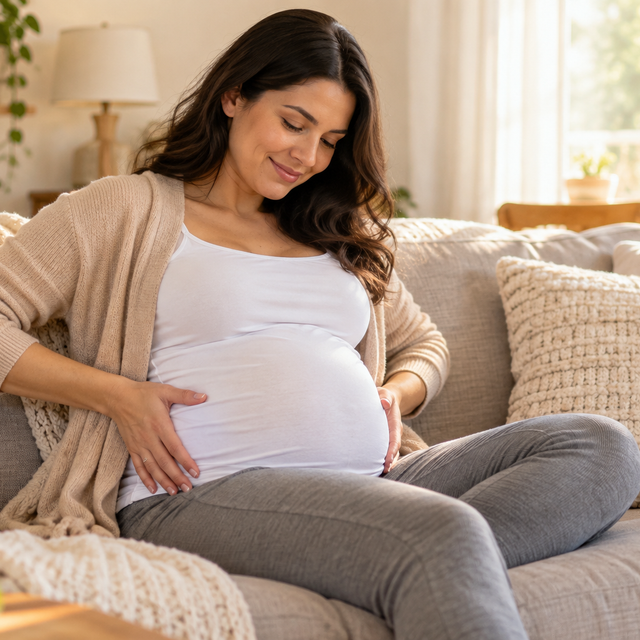
Swollen feet during pregnancy are one of the most common — and most uncomfortable — complaints of the third trimester. If your shoes suddenly feel tight and your ankles seem to disappear by the end of the day, you are far from alone. Pregnancy swelling, known medically as edema, affects most pregnant women at some point, and while it is rarely dangerous on its own, it helps to understand why it happens and what actually helps.
Why Swelling Happens During Pregnancy
During pregnancy, your body produces about 50% more blood and body fluids to support your growing baby. This extra fluid is essential, but it also tends to pool in the lower body because of gravity. On top of that, your growing uterus puts pressure on the large vein that carries blood from your legs back to your heart (the inferior vena cava), which slows circulation and pushes fluid into the surrounding tissue, especially in the feet, ankles, and hands.
Hormonal changes play a role too. Pregnancy hormones soften blood vessel walls, making it easier for fluid to leak out into tissues, and higher sodium retention encourages the body to hold onto more water overall.
When Does Pregnancy Swelling Usually Start?
Mild swelling can appear any time, but it is most common from around week 22 onward and tends to peak in the third trimester. It often gets worse as the day goes on, after standing for long periods, in hot weather, and toward the very end of pregnancy. Swelling that shows up gradually and affects both feet fairly evenly is considered a normal, expected part of pregnancy.
Many women notice their rings, socks, or shoes fitting differently by mid-pregnancy, well before the swelling becomes visible to others. It's also common for swelling to be worse on days spent traveling, working on your feet, or in warm, humid weather, and to improve overnight after a good rest with your legs elevated.
How Long Does Pregnancy Swelling Last?
For most women, everyday swelling continues on and off through the rest of pregnancy and can even increase slightly in the days leading up to labor. The good news is that it doesn't last forever: your body starts releasing the extra fluid soon after delivery, often through increased urination and sweating in the first week or two postpartum. Some mild swelling can linger for a few weeks after birth while your circulation and hormone levels settle back to their pre-pregnancy baseline, which is completely normal.

Simple Ways to Reduce Swollen Feet and Ankles
You can't completely prevent pregnancy edema, but a few daily habits can make a real difference in how puffy and heavy your legs feel.
- Elevate your feet. Prop your legs up above the level of your heart for 15–20 minutes, a few times a day. Even resting your feet on a stack of pillows on the couch helps fluid flow back toward your heart instead of settling in your ankles.
- Stay hydrated. It sounds counterintuitive, but drinking enough water actually helps your body release excess fluid instead of holding onto it.
- Keep moving. Sitting or standing in one position for too long lets fluid pool. Short walks, ankle circles, and gentle calf stretches keep circulation active throughout the day.
- Wear supportive, well-fitted shoes. Tight shoes and high heels restrict circulation and put extra pressure on already swollen feet. Cushioned, breathable, supportive shoes make a noticeable difference.
- Try compression socks. Graduated compression socks, put on first thing in the morning before swelling builds up, gently encourage circulation in the lower legs.
- Cut back on excess sodium. You don't need to avoid salt altogether, but leaning on fresh, whole foods instead of heavily processed ones can reduce water retention.
- Cool things down. Heat makes swelling worse, so a cool foot soak or a fan nearby on hot days can bring quick relief.
Best Sleep Positions to Ease Swelling
How you sleep matters just as much as what you do during the day. Sleeping on your left side is generally recommended in the second and third trimesters because it takes pressure off the inferior vena cava, improving blood flow back from your legs and reducing overnight swelling. Tucking a pillow between your knees and another under your belly keeps your spine aligned and your hips supported, which many pregnant women find makes side-sleeping far more comfortable to maintain all night.

Foods and Drinks That Help — and What to Limit
Certain foods support healthy circulation and fluid balance during pregnancy:
- Water-rich fruits and vegetables like watermelon, cucumber, and celery
- Potassium-rich foods such as bananas, sweet potatoes, and leafy greens, which help balance sodium levels
- Foods rich in magnesium, like nuts, seeds, and whole grains
On the other hand, try to go easy on highly processed, packaged, and fast foods, which tend to be high in sodium and can make fluid retention worse. Caffeine in large amounts can also contribute to dehydration, so balance your coffee or tea with plenty of water.
When Swelling Could Signal a Problem
Ordinary pregnancy swelling develops gradually and evenly, improves with rest and elevation, and doesn't come with other symptoms. However, sudden or severe swelling — especially in the face or hands, paired with a bad headache, vision changes, upper abdominal pain, or a rapid weight gain — can be a sign of preeclampsia, a serious pregnancy complication that needs prompt medical attention. Swelling that is much worse in one leg than the other, or that comes with pain, redness, or warmth, should also be checked right away, as it can indicate a blood clot.

Frequently Asked Questions
Is it normal to have swollen feet every day in the third trimester?
Yes. Mild, gradual swelling that affects both feet and improves with rest is a normal part of late pregnancy for most women. It usually gets better within a few weeks after delivery as your body releases the extra fluid.
Does drinking more water really help with swelling?
Yes. When you're dehydrated, your body tends to hold onto more fluid as a protective response. Staying well hydrated actually encourages your body to release excess water rather than retain it.
Should I avoid salt completely to reduce swelling?
No, you don't need to eliminate salt — your body needs some sodium during pregnancy. The goal is to reduce excess sodium from processed and fast foods, not to cut salt out entirely, which your doctor can advise on if needed.
When should I call my doctor about swelling?
Call your doctor or midwife promptly if swelling appears suddenly, is severe, affects your face or hands, or comes with a headache, vision changes, or abdominal pain. Also mention any swelling that is much worse on one side or comes with pain or warmth.
Can compression socks be worn all day during pregnancy?
Many pregnant women wear graduated compression socks throughout the day, putting them on in the morning before swelling sets in. Talk to your provider about the right compression level for you, especially if you have any circulation concerns.
Does exercise help or worsen pregnancy swelling?
Gentle, regular movement usually helps rather than worsens swelling. Walking, prenatal yoga, and swimming all encourage circulation and help move fluid out of your lower legs. It's prolonged sitting or standing still, not movement itself, that tends to make swelling worse.
This article is for general information only and is not medical advice. Always talk with your doctor or midwife about your own health and pregnancy.
Better sleep support can make a real difference when your feet and legs feel swollen and tired by bedtime. Take a look at our U-Shaped Maternity Pillow, designed to support your belly, hips, and knees for easier left-side sleeping.